

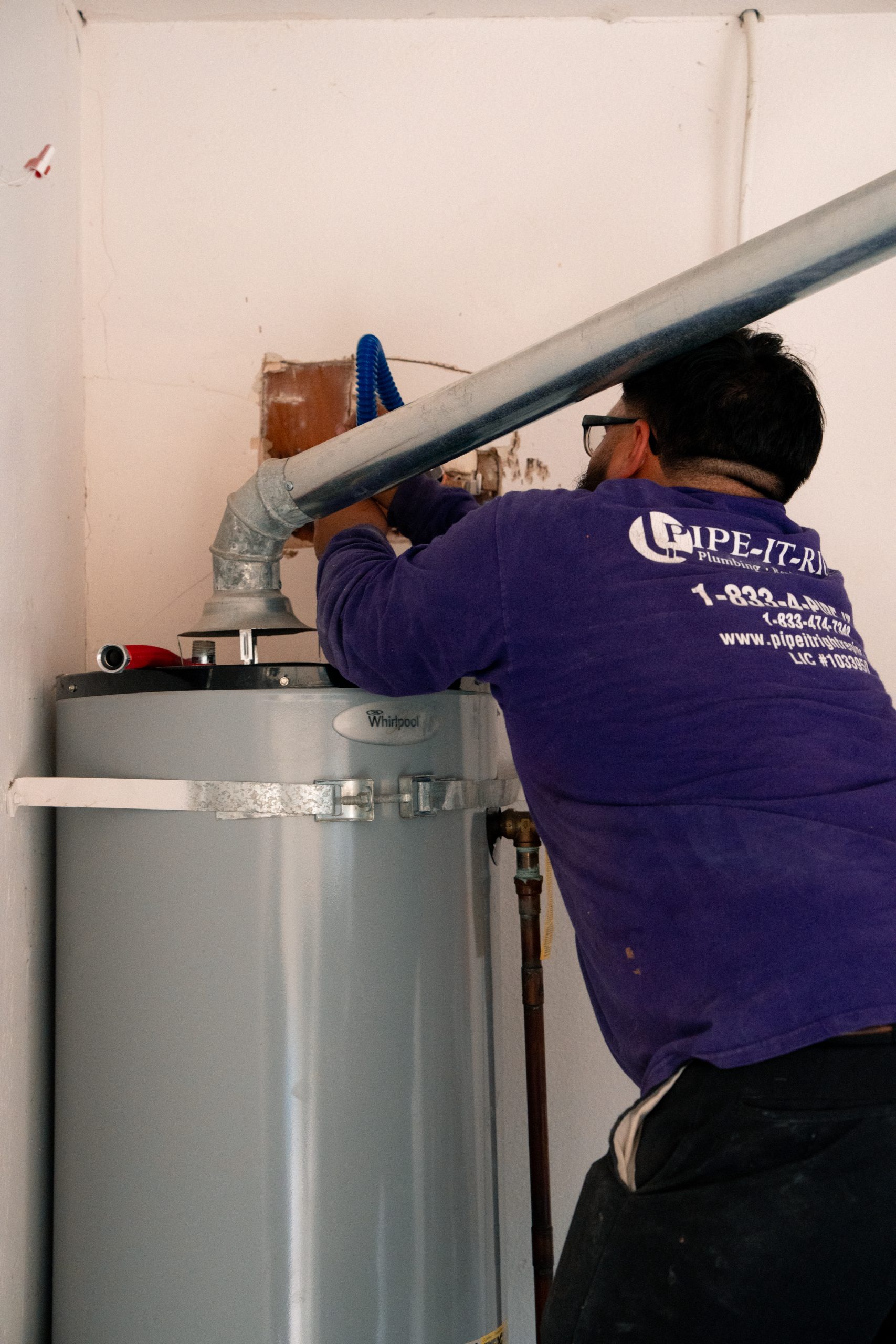
When a water heater goes, it usually goes fast. One day you have hot water; the next you are standing in a cold shower trying to figure out how much this is going to cost you.
Here is a straight answer. Water heater replacement in the Inland Empire typically runs between $800 and $5,000 installed, depending on the type of unit you choose. We will break down exactly what goes into that number so you know what to expect before you call anyone.
Average Water Heater Replacement Costs in the Inland Empire
These are installed costs, meaning parts and labor. We work in Menifee, Murrieta, Temecula, Ladera Ranch, and the surrounding areas, so these numbers reflect what Southern California homeowners are actually paying.
| Water Heater Type | Installed Cost Range | Avg. Lifespan |
|---|---|---|
| Standard Tank (gas) | $800 – $1,500 | 8-12 years |
| Standard Tank (electric) | $700 – $1,300 | 8-12 years |
| Tankless (gas) | $2,500 – $4,500 | 15-20 years |
| Tankless (electric) | $1,500 – $3,000 | 15-20 years |
| Hybrid Heat Pump | $1,800 – $3,500 | 10-15 years |
Keep in mind these are ranges. Your final price depends on the factors below.
What Affects the Cost
1. Type of Unit
A standard tank water heater is the most straightforward replacement. If you already have gas lines and a tank setup, swapping it for a like-for-like unit is the least expensive path. Going from a tank to a tankless system costs more upfront because of the additional gas line work, venting changes, and installation time, but the unit lasts longer and uses less energy.
2. Size and Capacity
Tank water heaters are sized in gallons. A family of four typically needs a 50-gallon unit. Going higher costs more but avoids running out of hot water during peak hours. Tankless units are rated by flow rate in gallons per minute. The right size depends on how many fixtures you run at the same time.
3. Labor and Local Permits
Riverside County requires a permit for water heater replacement. Permit fees typically run $50 to $150. Any reputable plumber will pull the permit for you as part of the job. Be cautious of anyone who skips this step. Beyond the permit, labor in Southern California runs higher than the national average because of licensing requirements and cost of living. Budget $300 to $600 for labor on a standard swap.
4. Location and Accessibility
A water heater in a garage with easy access costs less to install than one tucked in a tight closet or on an upper floor. If your unit is in an awkward spot, expect the labor cost to be on the higher end.
5. Gas Line or Electrical Work
If you are switching from electric to gas, or upgrading to a tankless system that needs a larger gas line, that work adds to the total. The same goes for upgrading an electrical panel for a high-demand electric tankless unit. Your plumber should walk you through this before starting.
Tank vs Tankless: Which One Makes Sense for Your Home?
This is the most common question we get. Here is a simple way to think about it.
Go with a tank if: Your water heater is in its normal lifespan, you want the most affordable upfront cost, and your household usage is fairly predictable.
Go tankless if: Your unit is older, you run out of hot water regularly, you plan to stay in the home for 10 or more years, or you want to lower your energy bills over time.
Tankless water heaters can cut energy costs by 25 to 35 percent for most households. Over 15 to 20 years, that adds up. But if you are selling the house in two years, a straight tank swap probably makes more financial sense.
Repair vs Replace: How to Decide
A general rule of thumb: if the repair costs more than half the price of a new unit and your water heater is over 8 years old, replace it. You are just delaying the inevitable and spending money you cannot recover.
Here are the signs it is time to replace rather than repair:
- The unit is 10 years old or older
- You are seeing rust-colored water from hot taps
- There is corrosion or visible rust on the tank itself
- The tank is leaking from the base
- You are making the second or third repair in two years
Minor issues like a failed heating element, a bad thermostat, or a faulty pressure relief valve are usually worth repairing on a newer unit.
What the Process Looks Like
A standard water heater swap takes two to four hours. Here is how it goes with our team:
- We assess your current setup and confirm the right replacement unit
- We shut off the gas or power and drain the old tank
- We remove the old unit and install the new one
- We reconnect gas or electrical, relight the pilot if needed, and test for leaks
- We handle the permit and schedule the county inspection
You will have hot water back the same day in most cases.
Pipe It Right Serves the Inland Empire
We handle water heater installation and repair throughout Menifee, Murrieta, Temecula, and the surrounding areas. We give you straight answers on cost before any work starts, and we pull all required permits.
If your water heater is giving you problems or you want a quote on a replacement, give us a call or fill out our contact form. We will get back to you fast.