

The Hidden Costs of Ignoring a Whole-House Repipe in Southern California
Delaying a whole-house repipe might feel like saving money, but in Southern California’s older homes, it usually means paying more later. Hard water, aging pipes, and years of corrosion can quietly cause leaks behind walls long before you see any damage. By the time low pressure or stains appear, repairs often cost more than the repipe itself.
Here’s what really happens when you put it off and why proactive replacement protects your home and wallet.
Why Small Leaks Turn into Big Repairs
Even a slow drip can create major damage. Leaks inside walls or ceilings soak drywall, baseboards, and insulation long before they’re visible. Once moisture spreads, mold growth can set in, and mold cleanup often costs more than a complete repipe.
The EPA warns that even small areas of mold may require professional remediation and testing. For many homeowners, that’s a five-figure expense that could have been avoided by replacing worn plumbing earlier.
Most home insurance policies only cover sudden bursts or accidents, not corrosion or gradual leaks. That means the cost of fixing water damage, drywall, and flooring often falls entirely on you.
The “Patch and Pray” Problem
It’s tempting to fix leaks as they appear. But patching one section at a time rarely solves the underlying issue.
Once one area of pipe corrodes, others are usually close behind, especially in older copper or galvanized systems. Over a year or two, the cycle of repeated repairs, wall openings, and service calls quickly adds up to more than a full replacement.
Homes built before the 1990s are especially vulnerable, as many still rely on outdated galvanized steel or thin-walled copper that can’t handle today’s water chemistry and pressure.
How Hard Water Accelerates Damage
Southern California’s water supply contains high levels of calcium and magnesium, which cling to pipe walls and create internal scale. This buildup narrows the pipe’s diameter, increasing pressure and forcing water through small weak points, which is the perfect setup for pinhole leaks.
A whole-home repipe eliminates that internal buildup and restores steady pressure throughout the system. It’s the only long-term solution once scaling and corrosion start affecting multiple lines.
How a Repipe Actually Saves You Money
1. Fewer emergency plumbing visits
Replacing all aging lines at once eliminates recurring repair costs and surprise failures.
2. Avoiding structural restoration
Water leaks that reach subfloors or cabinets can lead to expensive reconstruction. Replacing pipes early prevents drywall damage and rot before it spreads.
3. Preserving home value
Buyers and inspectors flag outdated plumbing as a risk. A documented repipe adds resale confidence and protects long-term equity.
Choosing the Right Material: PEX vs. Copper
Both PEX and copper can perform beautifully when installed correctly. The right choice depends on your home and environment.
- PEX: Flexible, quiet, and resistant to hard-water buildup. Ideal for interior lines.
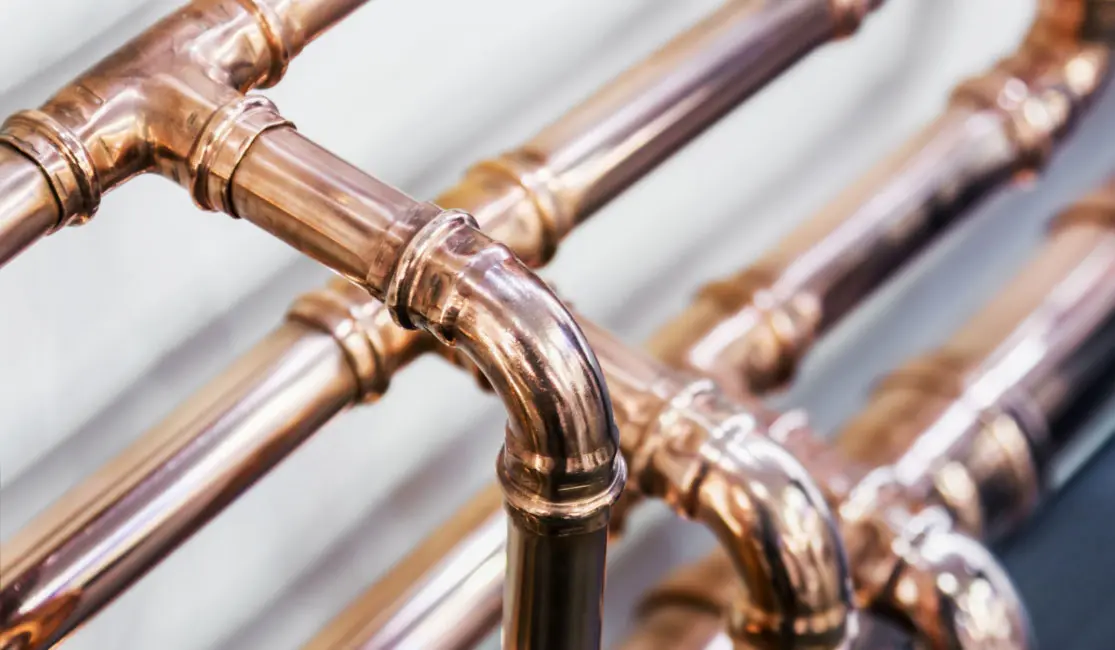
- Copper: Excellent near water heaters, attics, or outdoor runs where heat exposure is higher.
PEX systems typically require less maintenance, while copper remains the go-to for homeowners who prefer traditional materials or higher resale value.
How Financing Makes Repiping Affordable
A repipe might sound like a big expense, but waiting for leaks to multiply is far costlier.
Flexible financing lets homeowners spread payments over time instead of paying for water damage all at once.
Many homeowners choose to finance their repipe through Pipe-It-Right, making it easier to upgrade plumbing without the strain of upfront costs.
For a breakdown of what affects project pricing and timeline, review “How Much Does It Cost to Repipe a Home?”
Get Ahead of the Burst Before It Happens
Southern California homes face unique challenges like aging copper, hard water, and long plumbing runs under slab foundations.
A planned repipe eliminates those risks and restores clean, consistent water throughout your home.
Don’t wait for the next leak. Schedule your free repipe estimate today and protect your home before small problems become major repairs.
Frequently Asked Questions
What are the early signs of plumbing corrosion in Southern California homes?
Cloudy or discolored water, reduced pressure, and a metallic taste often signal internal corrosion. Minerals in Southern California’s hard water slowly wear down copper and galvanized pipes, leading to weak spots and leaks.
How does hard water increase the need for repiping in Southern California?
Hard water minerals create internal scale that narrows pipes and raises pressure. Over time, this buildup damages joints and fittings, making full repiping the best way to stop recurring leaks.
Is it cheaper to repipe a home during the dry season in California?
Yes. Repiping during drier months can lower costs by avoiding weather delays and minimizing drywall or flooring repairs.
Can partial repiping extend the life of older plumbing systems?
Only temporarily. If pipes throughout the home are the same age, new leaks usually appear elsewhere. Full repiping ensures consistent water quality and long-term reliability.
How long does a full repipe take for an average Southern California home?
Most projects take two to five days. Crews plan wall access carefully and restore water each evening. PEX systems often install fastest due to flexible routing and fewer connections.