

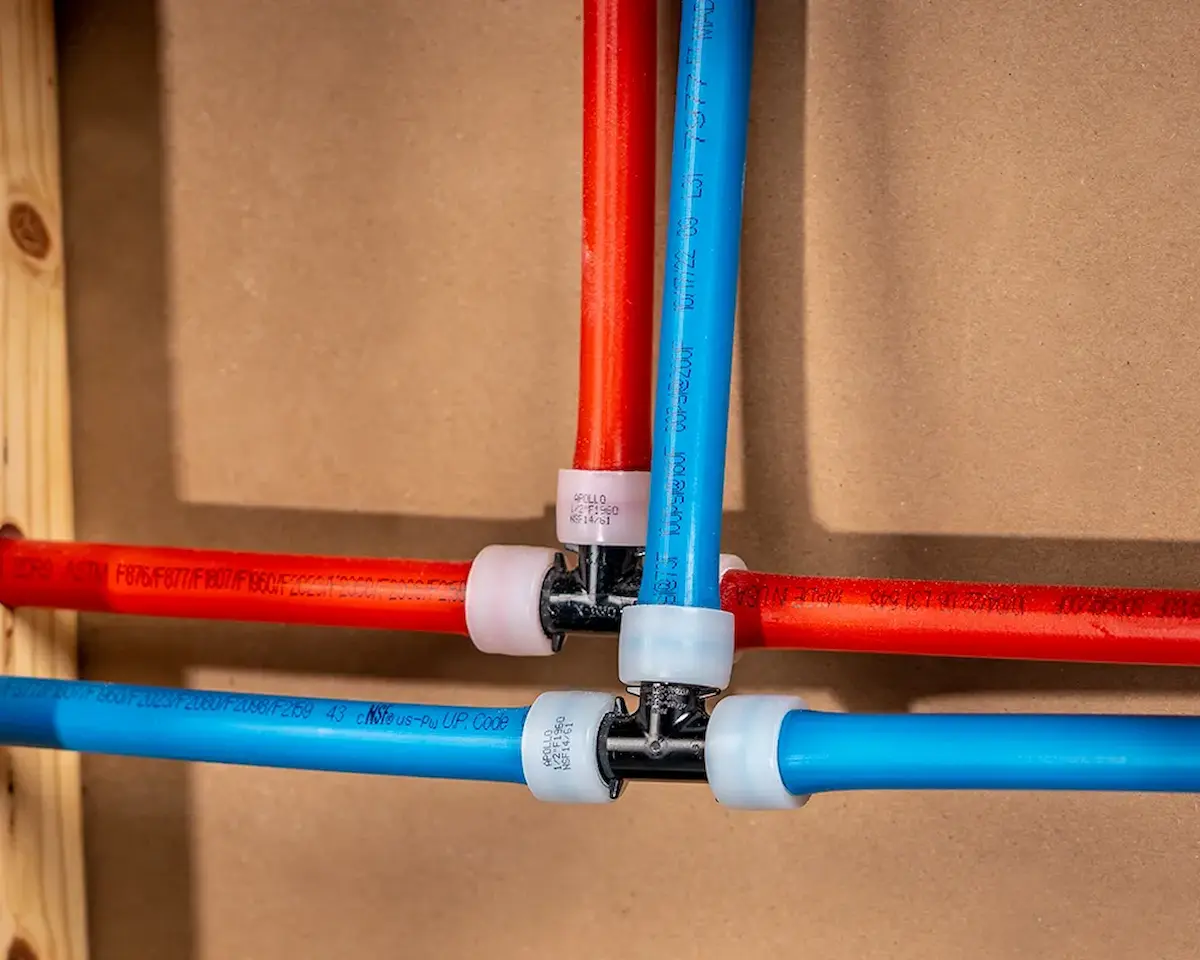
PEX vs Copper Pipes For Escondido: What Lasts Longer in Your Water Conditions?
If your home’s water pressure has started dropping or you’ve noticed white residue on fixtures, hard water might be the reason. Escondido’s mineral-rich water can slowly corrode copper pipes and restrict flow. When it’s time to repipe, many homeowners ask: Which lasts longer: PEX or copper?
Here’s how both materials perform in Escondido’s conditions and what to expect long-term.
How Escondido’s Hard Water Affects Plumbing
Escondido’s water naturally contains high levels of calcium and magnesium, which are minerals that stick to pipe walls over time. According to the City of Escondido Water Quality Report, hardness averages around 188 mg/L, which classifies it as “hard.”
These minerals create scale buildup that narrows copper pipes, reduces flow, and increases internal pressure. The longer it goes unchecked, the more likely corrosion and pinhole leaks become, especially in older copper plumbing.
If you’re seeing cloudy spots on glassware or crusty white deposits around faucets, that’s the same mineral buildup happening inside your pipes. Local repiping specialists like Pipe-It-Right can replace corroded lines and restore consistent pressure.
How Copper and PEX Handle Hard Water
Copper pipes have served homes for decades, but hard water accelerates internal corrosion. Minerals form deposits inside the pipe, creating small pockets where oxidation eats away at the copper surface. Over time, this leads to pinhole leaks and uneven water pressure.
PEX pipes, made from cross-linked polyethylene, don’t corrode or allow minerals to cling to the surface. That resistance helps maintain clean water flow, even in hard-water conditions. Because PEX expands slightly under pressure, it’s also less prone to bursting or cracking.
Copper still performs well when paired with a water softener or when maintenance is consistent — but for untreated systems, PEX generally holds up longer in Escondido’s water conditions.
Which Lasts Longer?
When installed correctly, both materials can deliver decades of reliable use. The main difference comes down to how they respond to Escondido’s mineral content:
- PEX typically lasts longer because it resists scale buildup and internal corrosion.
- Copper remains durable when protected by water softeners or consistent flushing and maintenance.
Many homeowners choose PEX for low-maintenance performance, while others prefer copper for its traditional look, heat resistance, and resale appeal.
Maintenance and Performance Differences
Water taste, pressure, and upkeep vary slightly between materials:
- Taste: Some homeowners prefer the taste of water from copper pipes, though most notice no difference.
- Pressure: PEX maintains steadier water flow because scale doesn’t accumulate inside.
- Maintenance: Both benefit from annual inspections, regular flushing of your water heater, and cleaning aerators or showerheads to prevent buildup.
If you’re planning a repipe, it’s worth considering how your household uses water and whether you plan to install or maintain a softener system.
When Copper Is Still the Better Choice
Copper remains ideal in a few scenarios:
- Areas near water heaters or exposed to high heat
- Outdoor or UV-exposed installations (where PEX must be protected)
- Homes with treated water or owners who prefer traditional materials
When maintained properly, Type L copper can still last decades, especially when paired with softened or filtered water.
What to Expect During a Repipe
A repipe typically starts with an in-home assessment to check pipe condition and water pressure. New lines are then installed along existing routes with minimal wall openings. After pressure testing and inspection, drywall patches are made, and the system is ready to use, usually within a few days.
Material choice affects installation time and cost, but both PEX and copper repipes provide long-term value and protection from future leaks.
Cost and Financing
PEX is generally more affordable upfront, while copper costs more but may boost home value. Both can be financed to make the project easier to manage. Flexible payment options help homeowners protect their plumbing without delaying necessary upgrades.
Making the Right Choice for Your Escondido Home
Choosing between PEX and copper depends on your home’s water quality, system layout, and maintenance habits. Both can perform exceptionally well when installed by an experienced repiping contractor.
If you want to see how each performs in real local homes, explore our Copper Repipe in Escondido page for detailed case studies.
Protect your home from mineral buildup and future leaks.
Frequently Asked Questions
What are the signs that hard water is damaging pipes in Escondido homes?
Mineral buildup, white residue on fixtures, and reduced water pressure often indicate that hard water is affecting your plumbing system.
How does Escondido’s water hardness compare to other North County cities?
According to the City of Escondido Water Quality Reports, the area’s hardness levels rank among the highest in North County, making repiping solutions more common here than in nearby communities.
Can PEX piping handle Escondido’s high water temperatures and pressure?
Yes. PEX is flexible and resistant to both heat and pressure, making it well-suited for the region’s hard-water conditions.
How often should Escondido homeowners inspect plumbing for scale buildup?
It’s smart to schedule a plumbing inspection at least once a year, especially if you notice cloudy water, residue on fixtures, or fluctuating water pressure.
Is it worth installing a water softener before repiping in Escondido?
Yes. Installing a softener before or after repiping can reduce mineral buildup, extend the life of new pipes, and maintain consistent water pressure.